
Online therapy has become one of the most popular ways to access mental health support in recent years. As more people look for convenient and flexible treatment options, many wonder whether online therapy is truly effective. Can talking to a therapist through a screen provide the same benefits as traditional face-to-face counseling?
Research suggests that online therapy can be highly effective for many mental health concerns, including anxiety, depression, stress, trauma, and relationship challenges. While it may not be the right fit for everyone, studies continue to show that virtual counseling can deliver meaningful results for many individuals.
In this article, we’ll explore what researchers have discovered about online therapy, its benefits, potential limitations, and how to determine whether it’s the right choice for you.
Online Therapy?
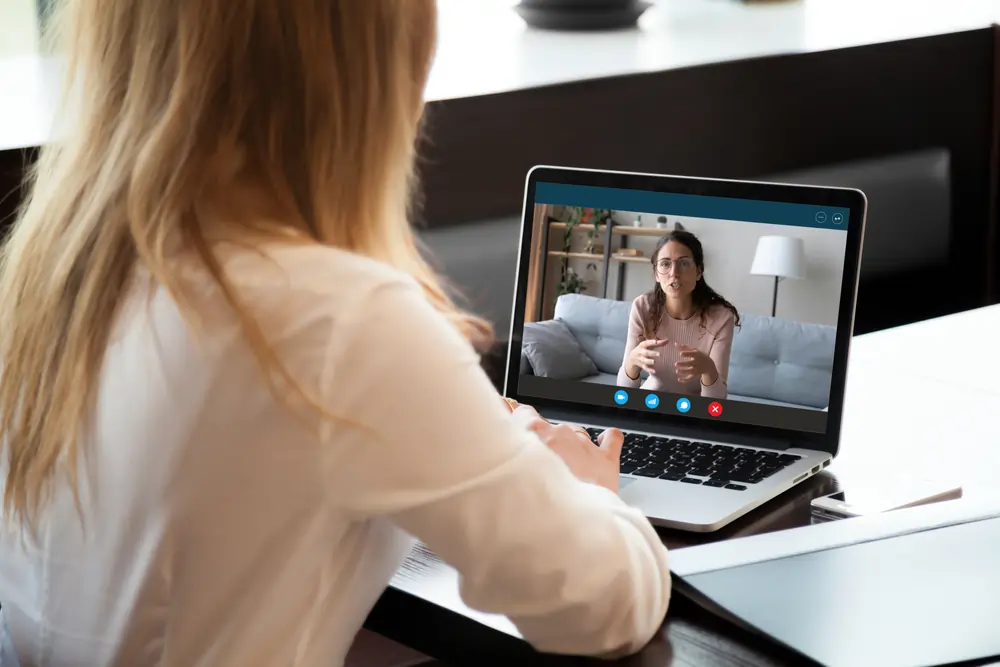
Online therapy is a form of mental health counseling that takes place through digital platforms. Instead of meeting a therapist in a traditional office setting, clients connect with licensed mental health professionals using video calls, phone sessions, secure messaging, or online platforms.
This approach allows people to receive professional support from the comfort of their homes while maintaining privacy and convenience.
Why Has Online Therapy Become So Popular?
The demand for virtual mental health services has grown significantly over the last several years.
Several factors contribute to its popularity:
- Greater accessibility
- Flexible scheduling
- Reduced travel time
- Increased privacy
- Easier access to specialists
- More comfort during sessions
Many individuals who previously avoided counseling because of transportation issues, busy schedules, or social anxiety now find it easier to seek help.
What Does Research Say About Online Therapy?
Researchers have spent years studying the effectiveness of virtual counseling.
The results are encouraging.
Multiple studies have found that people receiving therapy through online platforms often experience improvements similar to those receiving traditional in-person treatment. Researchers have reported positive outcomes for conditions such as:
- Anxiety disorders
- Depression
- Stress-related concerns
- Panic symptoms
- Relationship difficulties
- Mild to moderate trauma-related symptoms
One reason for these positive outcomes is that the therapeutic relationship remains the most important factor in successful treatment. Whether sessions occur in an office or through video calls, the connection between therapist and client continues to play a major role in progress.
Benefits of Online Therapy
1. Greater Convenience
One of the biggest advantages of virtual counseling is convenience.
There is no need to commute, sit in waiting rooms, or rearrange your entire day around an appointment.
This convenience often makes it easier for people to stay consistent with treatment.
2. Improved Access to Care
Many people live in areas where mental health services are limited.
Virtual counseling allows individuals to connect with qualified therapists who may not be available locally.
This can be especially valuable for people in rural communities or areas with long waiting lists.
3. Increased Comfort
Some individuals feel more comfortable discussing personal concerns from a familiar environment.
Being at home can reduce anxiety and help clients open up more easily during sessions.
4. Flexible Scheduling Options
Busy professionals, parents, students, and caregivers often struggle to find time for appointments.
Virtual sessions can offer greater scheduling flexibility, making mental health support more accessible.
5. Consistency During Life Changes
Travel, relocation, work obligations, or health concerns can sometimes interrupt treatment.
Virtual counseling allows many clients to continue working with their therapist even when circumstances change.
Who Can Benefit Most From Online Therapy?
Virtual counseling can be helpful for many people, including those who:
- Experience anxiety or depression
- Have demanding schedules
- Live far from therapy offices
- Travel frequently
- Prefer receiving support from home
- Feel nervous about traditional counseling settings
- Need flexible appointment options
Many clients discover that virtual sessions fit naturally into their daily routines while still providing meaningful emotional support.
How Does Online Therapy Compare to In-Person Therapy?
When comparing virtual and in-person counseling, there is no universal winner.
Both approaches offer valuable benefits.
The best option often depends on:
- Personal preferences
- Lifestyle needs
- Accessibility
- Mental health concerns
- Comfort level with technology
For many people, the quality of the therapist-client relationship matters far more than the format of the session itself.
Tips for Getting the Most Out of Online Therapy
To maximize the benefits of treatment:
Create a Private Space
Choose a quiet location where you can speak openly without interruptions.
Minimize Distractions
Turn off notifications and reduce background noise during sessions.
Be Consistent
Regular attendance often leads to better outcomes.
Be Open and Honest
Therapy works best when clients feel comfortable sharing their thoughts, emotions, and concerns.
Set Goals
Discuss your goals with your therapist so you can track progress over time.
Why Dare Therapy?
At Dare Therapy, we believe that quality mental health care should be accessible, flexible, and tailored to your unique needs. Our licensed therapists provide compassionate online therapy services to help individuals navigate anxiety, depression, stress, trauma, relationship difficulties, and other emotional challenges. Through secure virtual sessions, personalized treatment plans, and evidence-based therapeutic approaches, we empower clients to develop healthier coping strategies, improve emotional well-being, and achieve meaningful personal growth. Whether you’re seeking support from home, work, or while traveling, Dare Therapy makes it easier to access professional mental health care wherever you are.