
Finding Stability with Bipolar Disorder Treatment
Bipolar disorder causes shifts in mood, energy and sleep that go beyond everyday ups and downs. Some people have periods of mania or hypomania, with racing thoughts, little need for sleep or risky decisions, along with episodes of depression. Others mostly notice the lows. At Dare Therapy, we help adults across Massachusetts manage bipolar I, bipolar II and related mood disorders by secure video.
Medication is usually the foundation of bipolar treatment. Our board-certified psychiatric nurse practitioners do a full psychiatric evaluation and, if it’s right for you, prescribe and manage mood stabilizers or other bipolar medication, with regular follow-ups to adjust the dose and watch for side effects. Research shows that adding therapy to medication helps many people stay well longer, so our therapists can work alongside your prescriber.

Bipolar Medication and Ongoing Care
Finding the right bipolar medication can take some adjustment. Your nurse practitioner will talk through options such as mood stabilizers, explain how each one works, and help arrange any lab work needed to keep treatment safe, like regular blood levels for lithium. You’ll have regular follow-ups so changes in mood, sleep or side effects are caught early. If you’re already taking bipolar medication that isn’t working well, we can review it with you. We see adults across Massachusetts and are accepting new patients.
Understanding Bipolar Disorder and Getting the Right Diagnosis
Bipolar disorder is often mistaken for depression, because many people first seek help during a low period. Your first visit covers your mood history, sleep, energy, family history and any past treatment, so your nurse practitioner can tell the difference between bipolar disorder, depression and other conditions. Getting the diagnosis right matters, because some medications used for depression alone can make bipolar symptoms worse.
Our Approach to Treating Bipolar Disorder

Bipolar disorder is treated best with a plan that combines medication with practical support. Depending on your needs, your care may include:
- Psychiatric evaluation and medication support with a board-certified psychiatric nurse practitioner
- Mood stabilizers and other bipolar medication, adjusted at regular follow-ups
- Therapy to recognize early warning signs of mood episodes and plan for them
- Support with sleep and daily routines, which help keep mood steady
- Coordination between your prescriber and therapist, with your consent
What to Expect in Bipolar Disorder Treatment

Select Your Preferred Treatment
Medication is usually the foundation of bipolar treatment. Your clinician may also recommend therapy to help you spot early warning signs and keep routines steady. Most people do best with both.

Meet Your Clinician
You’re matched with a board-certified psychiatric nurse practitioner licensed in Massachusetts, plus a therapist if you’d like support alongside medication.

Start Your Journey
Your first visit, by secure video, is a psychiatric evaluation covering your mood history, sleep, energy and any past diagnosis or medication.
Identify Triggers
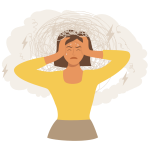
Together you’ll pin down what tends to set off mood episodes, like lost sleep, stress or changes in routine, so you can act early.

Discover Effective Strategies
If medication is right for you, your nurse practitioner prescribes it and explains how it works. Therapy adds practical skills for managing stress and keeping a steady routine.

Track Your Progress
Regular follow-ups check how your medication is working, track your mood over time and watch for side effects, including any lab work that’s needed.

Personalized to Fit Your Needs
Your plan changes as you do: adjusting the dose, trying a different medication, or adding or reducing therapy.

Find the Perfect Match
It’s normal to want a different fit. If your clinician isn’t the right match, we’ll help you switch to another therapist or nurse practitioner without starting over.
Why Choose Dare Therapy for Bipolar Disorder Treatment
Flexible scheduling
Usually within the week, with 48 hours’ notice.
Serving All of Massachusetts
Secure online visits for adults anywhere in Massachusetts.
Licensed Clinicians
Board-certified psychiatric nurse practitioners and licensed therapists, ready to support you.

Frequently
Asked Questions
Questions we often asked
What is the best treatment for bipolar disorder?
For most people, medication is the foundation, usually a mood stabilizer or another medication your prescriber recommends. Adding therapy helps many people recognize early warning signs, keep routines steady and stay well longer.
Can a psychiatric nurse practitioner prescribe bipolar medication?
Yes. Board-certified psychiatric nurse practitioners in Massachusetts can evaluate, diagnose and prescribe bipolar medication, including mood stabilizers, and manage it over time with regular follow-ups.
How is bipolar disorder different from depression?
Both involve periods of low mood. Bipolar disorder also includes periods of mania or hypomania, such as unusually high energy, little need for sleep or racing thoughts. Because the treatments differ, a careful evaluation matters.
Can bipolar disorder be treated online?
Yes. Evaluations, medication support and therapy can all happen by secure video. If lab work is needed, we’ll help you arrange it near you. If you ever have thoughts of harming yourself, call or text 988, or call 911 in an emergency.
Can I use my insurance?
Yes. We accept Aetna, Cigna, Harvard Pilgrim, ComPsych, Tricare and more, and we offer flexible self-pay rates. Plans vary by clinician, so check our Insurances & Pricing page or call 857-737-8404.